May 7, 2026
In industrial systems where safety, reliability, and efficiency are paramount, isolation methods play a critical role in maintaining operational integrity. Whether for maintenance, inspection, or emergency shutdowns, selecting the right isolation technique can significantly impact both safety outcomes and productivity. Among the many options available, line blind valves have emerged as a highly effective solution, offering distinct advantages over more traditional methods. Understanding how these approaches compare can help organizations make informed decisions tailored to their specific operational needs.
Traditional isolation methods have long been used across industries, but evolving safety standards and operational demands have driven innovation. Today, businesses are increasingly evaluating modern solutions that offer enhanced performance and reduced risk. This article explores the key differences between line blind valves and conventional isolation techniques, highlighting their benefits, limitations, and ideal applications.
Understanding Traditional Isolation Methods
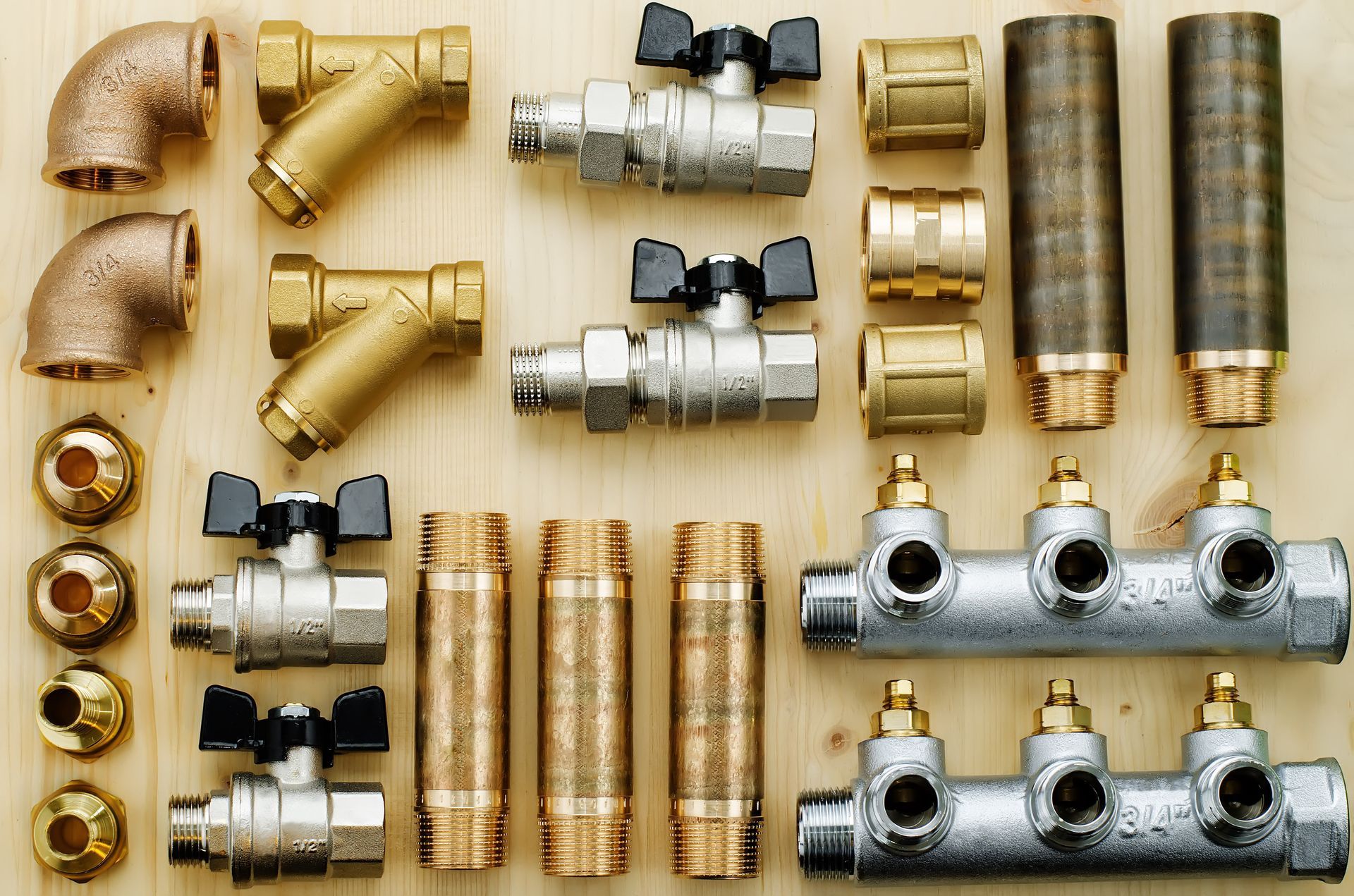
Traditional isolation methods typically include gate valves, ball valves, and manual blinds or spades. These systems are widely used because they are familiar, relatively inexpensive, and easy to implement in many standard applications. Operators rely on these methods to control the flow of liquids or gases, often using multiple valves in sequence to ensure proper isolation during maintenance or repairs. In many facilities, these systems have been in place for decades, making them a default choice for engineers and maintenance teams. Their widespread use also means that training requirements are minimal, as most personnel are already familiar with their operation and maintenance procedures.
However, these methods are not without drawbacks. Over time, valves can wear down, leading to potential leaks or incomplete sealing. In high-risk environments, even a small leak can result in significant safety hazards. Additionally, manual blinds require physical intervention, which can expose workers to dangerous conditions and increase the time required for system shutdowns and restarts. These inefficiencies can compound over time, especially in large-scale operations where downtime directly impacts profitability. Furthermore, repeated manual handling increases the risk of human error, which can compromise both safety protocols and overall system reliability.
Examining Line Blind Valve Technology
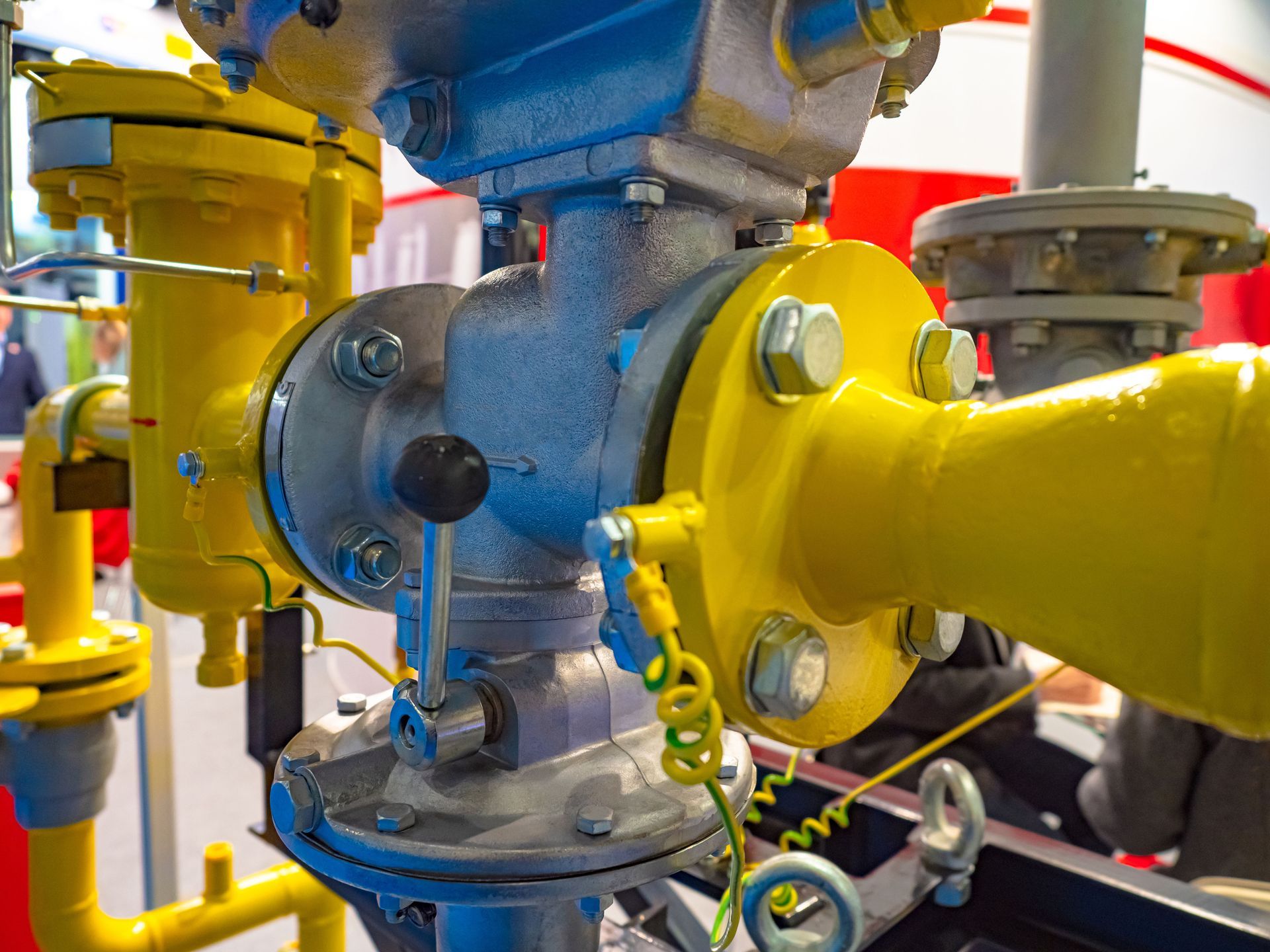
Line blind valves represent a more advanced approach to isolation, combining the functionality of a valve and a spectacle blind into a single unit. This integrated design allows operators to achieve positive isolation without the need for disassembly or additional components. By consolidating multiple steps into one streamlined mechanism, these valves simplify procedures and reduce the likelihood of operational errors during critical processes. This design also helps standardize procedures across teams, ensuring more predictable outcomes during maintenance and shutdown activities.
Another important advantage is the improved workflow they enable. Instead of coordinating multiple pieces of equipment and personnel, operators can manage isolation from a single point. This not only enhances efficiency but also improves consistency across operations. The built-in design reduces dependency on external tools and minimizes the chances of improper installation, which is a common issue with traditional blind insertion methods. In turn, this leads to safer working conditions and a more controlled approach to system isolation overall.
Comparing Safety and Reliability Factors
Safety is often the primary consideration when selecting an isolation method, and this is where line blind valves excel. According to Fetterolf Corporation, line blind valves are essential for ensuring complete, 100% positive isolation. This level of assurance is particularly valuable in industries such as oil and gas, chemical processing, and power generation, where even minor leaks can have severe consequences. The ability to confidently isolate a system reduces risks to both personnel and equipment. It also supports compliance with strict regulatory standards, helping organizations avoid penalties and maintain a strong safety record.
In contrast, traditional isolation methods rely heavily on the integrity of seals and the proper functioning of multiple components. Over time, wear and tear can compromise these systems, leading to potential failures. Environmental factors such as temperature fluctuations, pressure changes, and exposure to corrosive materials can further degrade performance. By reducing the number of potential failure points, modern isolation solutions provide a more dependable and predictable level of safety. This improved reliability can be critical in preventing unexpected incidents that could disrupt operations or endanger workers.
Evaluating Operational Efficiency and Downtime
Operational efficiency is another key factor in the comparison between isolation methods. Traditional systems often require significant time and labor to achieve complete isolation, particularly when manual blinds are involved. Workers may need to shut down the system, disassemble piping, and physically insert blinds, all of which contribute to extended downtime. These processes can disrupt production schedules and require careful coordination across multiple teams. In addition, delays in isolation can create bottlenecks that impact upstream and downstream operations across the facility.
With line blind valves, these processes are significantly streamlined. The integrated design allows for quick and efficient switching between open and closed positions, reducing the time required for maintenance activities. This efficiency not only minimizes downtime but also helps organizations maintain productivity and meet operational deadlines more effectively. Faster turnaround times can be especially valuable in industries where continuous operation is critical to success. Improved efficiency also allows maintenance teams to allocate resources more effectively and complete tasks with greater consistency.
Considering Cost and Long-Term Value
At first glance, traditional isolation methods may appear more cost-effective due to their lower initial investment. However, it is important to consider the total cost of ownership over time. Maintenance, labor, downtime, and potential safety incidents can all contribute to higher long-term expenses when using conventional systems. Unexpected failures can also lead to costly repairs and unplanned outages, further increasing financial risk. These hidden costs can accumulate quickly, making what seems like a budget-friendly option far more expensive over the lifecycle of the equipment.
While line blind valves may involve a higher upfront cost, they often deliver greater value in the long run. Their durability, reduced maintenance requirements, and enhanced safety features can lead to significant cost savings over time. Organizations that prioritize long-term performance and reliability often find that investing in more advanced solutions helps them avoid recurring expenses and operational disruptions. In many cases, the improved efficiency and reduced downtime contribute directly to a stronger return on investment.
Assessing Application Flexibility and Versatility
Different industries and applications have unique requirements, and the flexibility of an isolation method can be a deciding factor. Traditional methods are versatile and can be adapted to a wide range of systems, making them a common choice for general-purpose use. However, their limitations become more apparent in complex or high-risk environments where precision and reliability are essential.
Modern isolation technologies offer a high degree of versatility while also addressing the specific challenges of demanding applications. Their ability to integrate seamlessly into existing systems, combined with improved safety and efficiency, makes them suitable for a variety of industries. As operational demands continue to evolve, businesses are increasingly seeking solutions that can adapt to changing requirements without compromising performance.
The choice between line blind valves and traditional isolation methods ultimately depends on the specific needs and priorities of an operation. While conventional systems remain a viable option for certain applications, modern solutions offer clear advantages in terms of safety, reliability, and efficiency. By carefully evaluating these factors, organizations can select the approach that best supports their operational objectives and risk management strategies. For businesses seeking to enhance their isolation processes and improve overall system performance, exploring advanced solutions is a smart step forward. Contact Ross Controls Inc today to learn more.