April 10, 2026
Valves are critical components of numerous systems, including industrial, mechanical, and household applications. Their functionality directly influences the performance and longevity of the systems they are integrated into. Quality valves ensure both the efficient management of fluids and gases and the durability required to withstand various operating conditions. By preventing leaks and controlling pressure, they help maintain system stability and operational reliability. As the demand for higher efficiency grows, understanding the role of quality valves becomes increasingly significant.
Here, we will delve into why valves are far more than mere regulating devices. They form the backbone of system efficiency and reliability, especially within critical operations. The ability of high-quality valves to withstand harsh environments and rigorous demands underscores their importance. Moreover, as systems become smarter and more automated, the role of valves continues to evolve. This comprehensive examination will aid stakeholders in making informed decisions about valve selection and maintenance practices.
The Role of Valves in System Operations
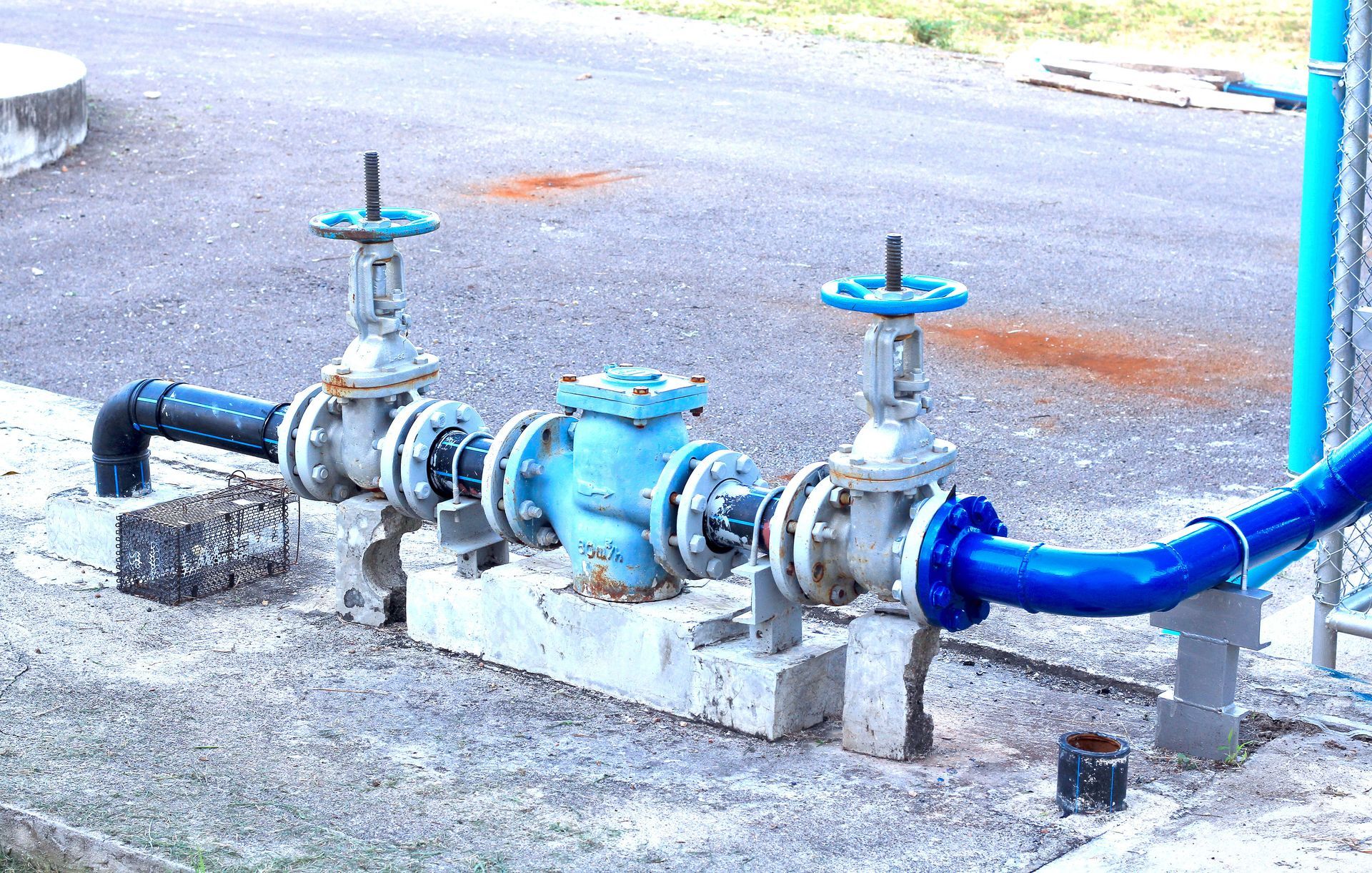
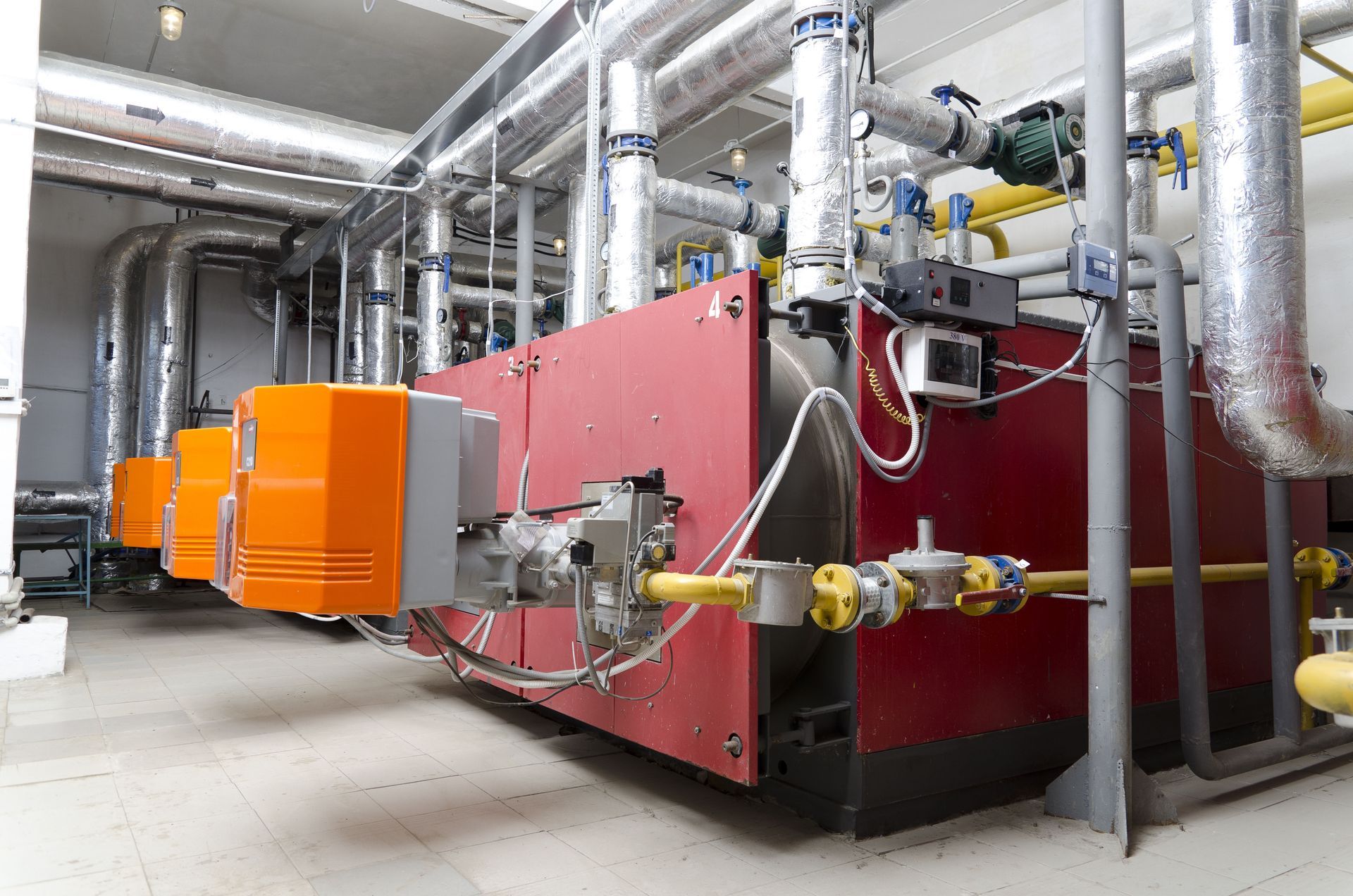
Valves serve a fundamental role in controlling the flow of fluids within a system. These mechanical devices regulate pressure and ensure the proper functionality of industrial, residential, and commercial systems. No matter the application, the operation depends heavily on the efficiency and reliability of the valves in place. Venues ranging from water supply systems to oil refineries all rely on valves to maintain precise control over fluid flow. As such, understanding valve functionality is crucial for optimizing overall system performance.
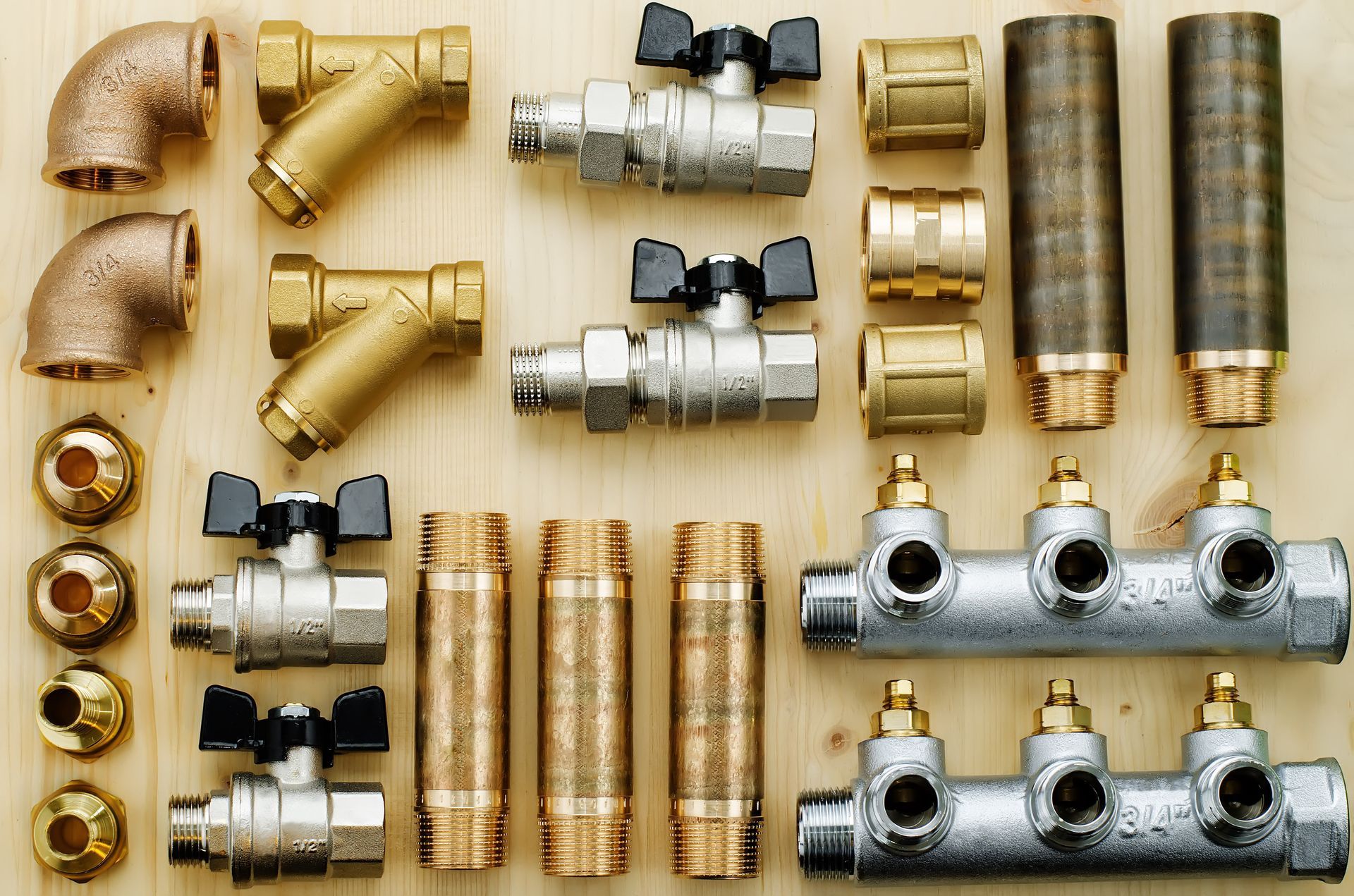
There are numerous types of valves, each suited to specific applications. Ball valves, gate valves, butterfly valves, and globe valves each offer unique characteristics that make them suitable for different operational needs. The choice of valve depends on several factors, including the nature of the fluid, pressure levels, and temperature requirements. In sectors like petrochemical and water treatment, valve reliability is not just preferred but essential. High-quality valves are particularly crucial in these settings, where failure can result in significant economic and environmental consequences.
The impact of valve quality on system efficiency cannot be overstated. Poor-quality valves can lead to leaks, reduced system control, and eventual breakdowns, causing unplanned downtimes and increased maintenance costs. These issues highlight the importance of selecting valves built with robust materials and superior engineering. As industries push towards more efficient and eco-friendly systems, the demand for quality valves continues to rise. According to Modor Intelligence, the U.S. valves market is expected to grow from $19.02 billion in 2025 to $19.94 billion in 2026, illustrating the increasing need for reliable valve solutions.
Material Considerations for Durable Valves
The durability and performance of a valve are significantly determined by the materials used in its construction. Material compatibility with system fluids is pivotal, as incompatible materials can degrade quickly, leading to valve failure. Engineers must thus consider the chemical properties of the fluids and match them with suitable materials to ensure long-term reliability. Stainless steel, brass, and various alloys are popular choices for their excellent resistance to corrosion. Selecting the right material from the outset prevents premature wear and reduces maintenance costs over time.
Corrosion resistance is a key factor in valve manufacturing as it directly influences the lifespan of the valve. In environments where valves are exposed to corrosive agents, high-quality materials that can resist chemical corrosion are essential. Advances in material science continue to drive improvements in this area, offering enhanced resistance and performance. Innovations such as duplex stainless steel and high-nickel alloys exemplify the progress made in producing valves better suited for aggressive environments. These innovations contribute to prolonged lifecycles, reducing the frequency of replacements and repairs.
Temperature and pressure handling capabilities are equally critical when selecting valve materials. Systems that operate under extreme conditions demand materials that can withstand high heat and pressure without losing integrity. Modern innovations in material technology have led to the development of valves that not only endure these conditions but also perform with precision. Environmental considerations also play a role as industries increasingly seek sustainable materials that minimize ecological impact. The careful selection and advancement of materials are fundamental to achieving reliable and durable valve performance.
Design Features that Enhance Valve Performance
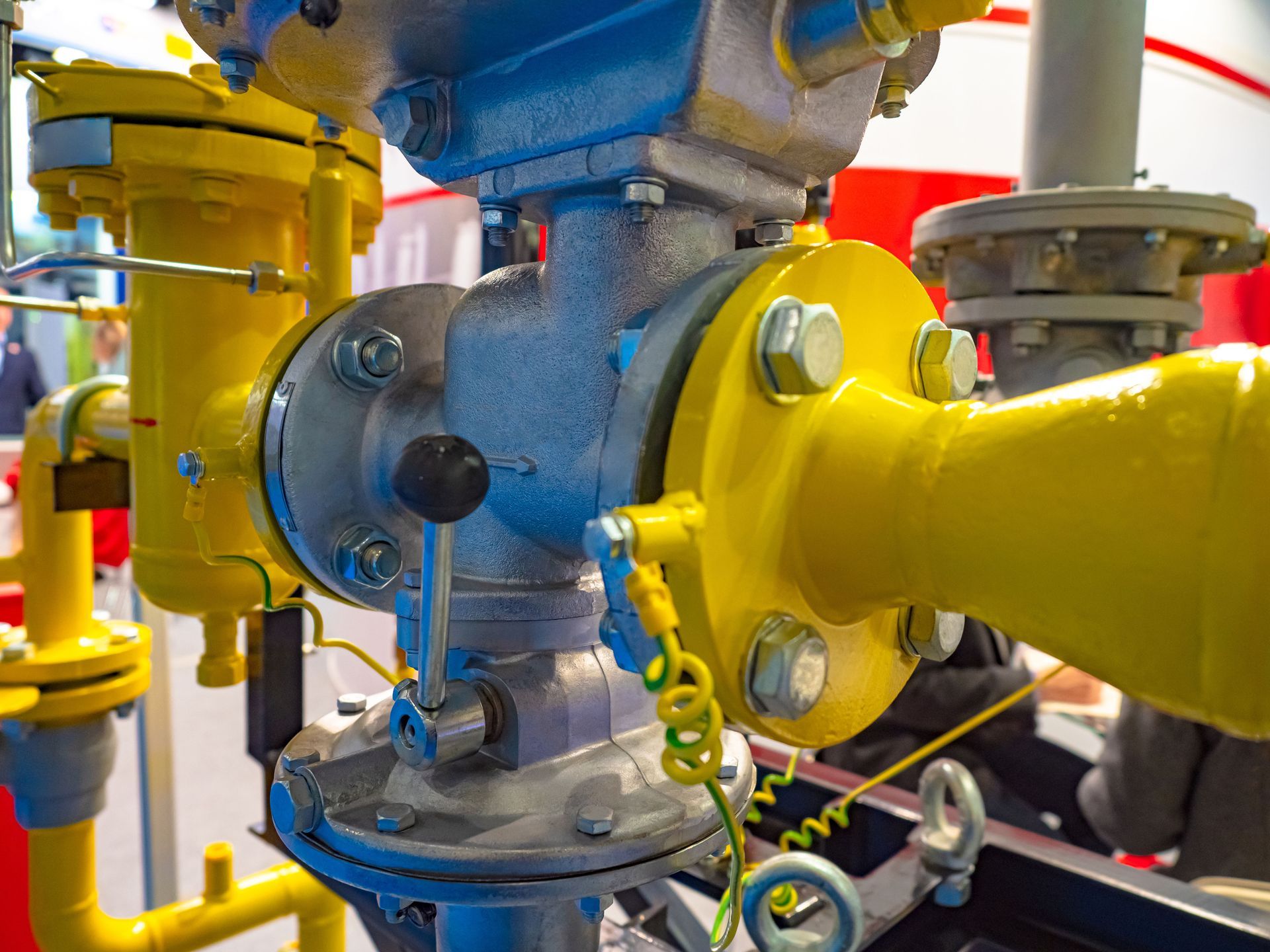
Effective valve design is central to optimizing flow control precision and system efficiency. Engineers strive to reduce pressure drops and ensure smooth fluid transitions, maximizing performance. Design attributes such as flow path optimization and streamlined interiors help achieve minimal resistance and turbulence, which are crucial for efficient operations. By integrating advanced computational tools, engineers can predict flow patterns and refine designs accordingly. Precision in flow control not only improves system performance but also contributes to energy savings.
Sealing mechanisms play a vital role in valve performance, significantly impacting leak prevention and longevity. Advanced sealing technologies reduce the risk of fluid leakage, ensuring the valve remains reliable over time. Materials like elastomers and specialized polymers are incorporated to enhance sealing effectiveness. Additionally, design improvements such as double-sealing features provide extra assurance against leaks. With high-quality sealing, valves maintain efficiency and system integrity, preventing costly repairs and downtimes.
As systems become more sophisticated, the integration of automation and smart valve technology is becoming increasingly common. Smart valves offer automated control, making them an indispensable part of modern systems. They can be integrated with existing infrastructures and provide real-time data monitoring, contributing to proactive maintenance strategies. By swiftly responding to changes in system conditions, smart valves enhance operational flexibility and efficiency. Collectively, these innovations demonstrate the importance of design in maximizing the performance and longevity of valve systems.
Maintenance Requirements for Quality Valves
Maintenance plays an instrumental role in ensuring the long-term functionality and reliability of valves. Routine inspections are critical for identifying wear, corrosion, or other potential issues before they lead to failure. Regular maintenance extends the life of the valve and protects the surrounding system. Lifecycle management includes proactive strategies to replace components as needed, thereby preventing system disruptions. Maintenance practices need to be tailored to the specific valve and system requirements.
Troubleshooting common valve issues requires a solid understanding of valve operation and materials. Some problems, such as leaks or blockages, may require disassembly and thorough examination to resolve. Effective lubrication practice is crucial to minimize friction and wear to valve parts, particularly in moving components. With the right lubrication, valves can operate more freely, reducing the load on actuators and the risk of mechanical failure. Proper maintenance also involves regular valve testing to ensure continued performance and compliance with operational standards.
Economic Benefits of Investing in Quality Valves
Investing in quality valves offers several financial benefits despite the initial higher costs. A comprehensive cost-benefit analysis over time often reveals savings in maintenance and operation budgets. High-quality valves reduce the risk of leaks and failures, which typically result in costly repairs and replacements. Moreover, efficient valves contribute to energy savings, as they minimize wastage and ensure optimal system operation. This makes them a cost-effective choice for industries looking to improve their long-term economic performance.
One of the significant economic advantages of high-quality valves is the reduction of unplanned downtime. System failures can result in halted operations, leading to significant financial losses. By ensuring stability and functionality, reliable valves mitigate the frequency of these occurrences. Enhanced system productivity further supports business operations, allowing companies to meet demand more consistently. Investing in quality valves demonstrates a commitment to reliable infrastructure, which, in turn, supports sustained economic growth.
Quality valves are indispensable for the enhancement of system performance and longevity. They are pivotal in regulating the flow and maintaining the integrity of systems across various industries. By investing in quality
valves, organizations safeguard their operations against potential failures and optimize operational efficiency. The combination of material innovation, design advancements, and adherence to industry standards forms the backbone of reliable valve solutions. As the industry evolves, the prioritization of quality in valve selection and maintenance becomes increasingly important, ensuring systems are both effective and sustainable. Contact Ross Controls Inc today for more information.