July 31, 2026
Industrial systems depend on interconnected components working together under pressure, heat, vibration, and changing flow conditions. When those components are properly selected, installed, and maintained, a system can operate with greater consistency and fewer interruptions. Valve and pipe products play an essential role because they control movement, direct materials, isolate sections, and help protect equipment from unnecessary stress.
The quality of these components affects energy use, maintenance costs, safety, and equipment lifespan. Treating valves, pipes, fittings, and related controls as strategic investments helps businesses prevent leaks, manage pressure changes, and respond to service needs. Understanding their contribution can help facility managers, engineers, and purchasing teams make stronger decisions.
Improving Flow Control
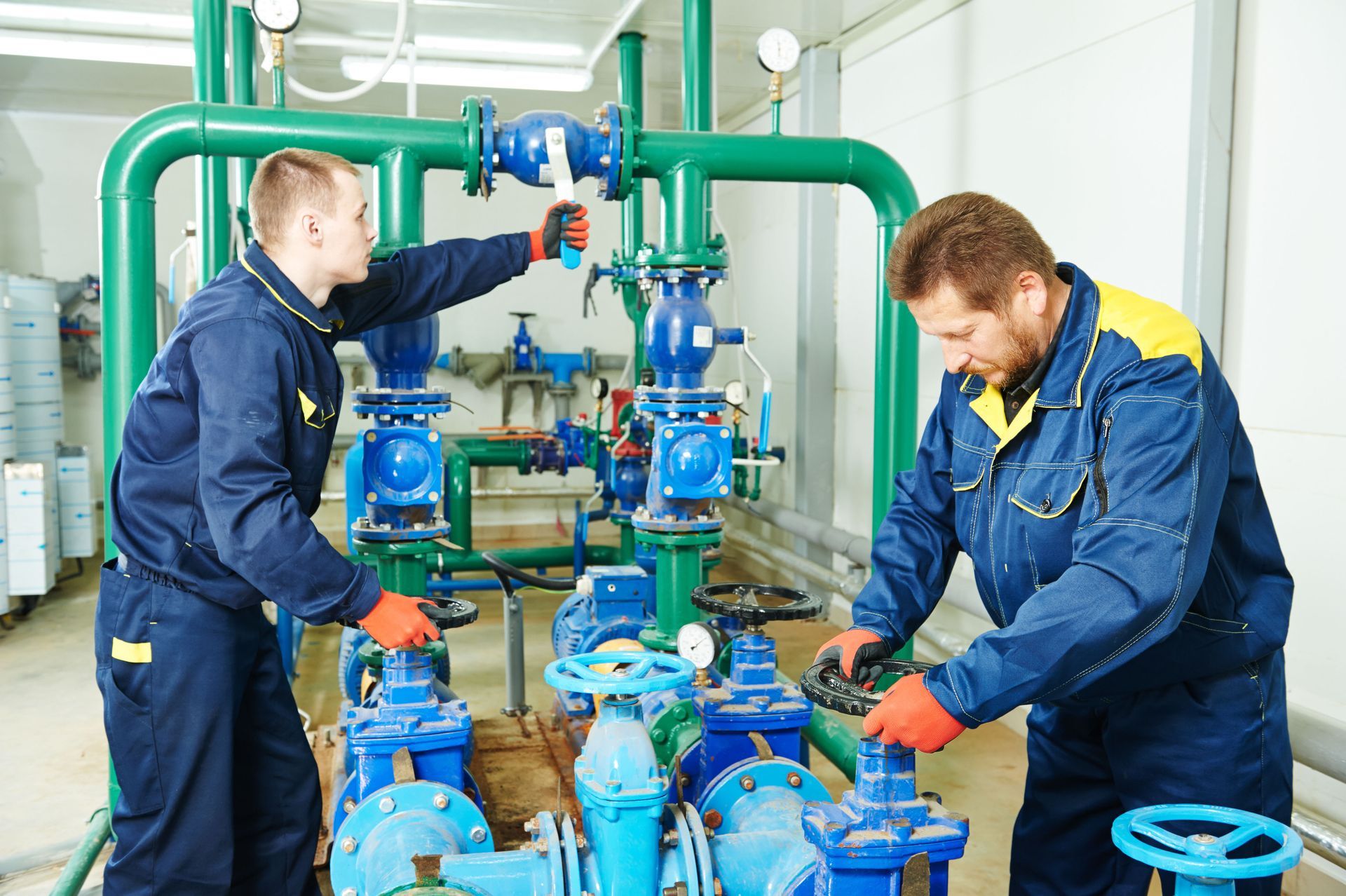
One of the most important functions of valve and pipe products is controlling how liquids, gases, steam, or other materials move through a system. Valves regulate flow rates, stop movement when necessary, and redirect materials to different areas. Pipes provide the pathway that allows those materials to travel safely and efficiently between pieces of equipment.
Precise flow control supports stable operating conditions. When a valve opens or closes correctly, it helps maintain the pressure, temperature, and volume required for a process. This is especially important when small changes can affect product quality or equipment performance. A poorly selected valve may create turbulence, pressure loss, or inconsistent output, while the right component supports smooth operation.
Different valve designs serve different purposes. Ball valves may provide quick shutoff, butterfly valves can manage large flow volumes, and control valves can make gradual adjustments. Matching each valve to the application reduces wear, improves response time, and supports efficient operation with properly sized pipes.
Strengthening System Safety
Safety is another major reason to choose valve and pipe products carefully. Industrial systems may carry hot fluids, corrosive chemicals, compressed gases, or other hazardous materials. If a pipe, fitting, or valve fails, the result could include leaks, equipment damage, environmental concerns, or employee injuries.
Reliable components help isolate sections of a system during maintenance or emergencies. Shutoff valves allow operators to stop material flow before repairs begin. Pressure-relief valves release excess pressure before it reaches a dangerous level. Check valves help prevent reverse flow that could damage pumps or contaminate materials.
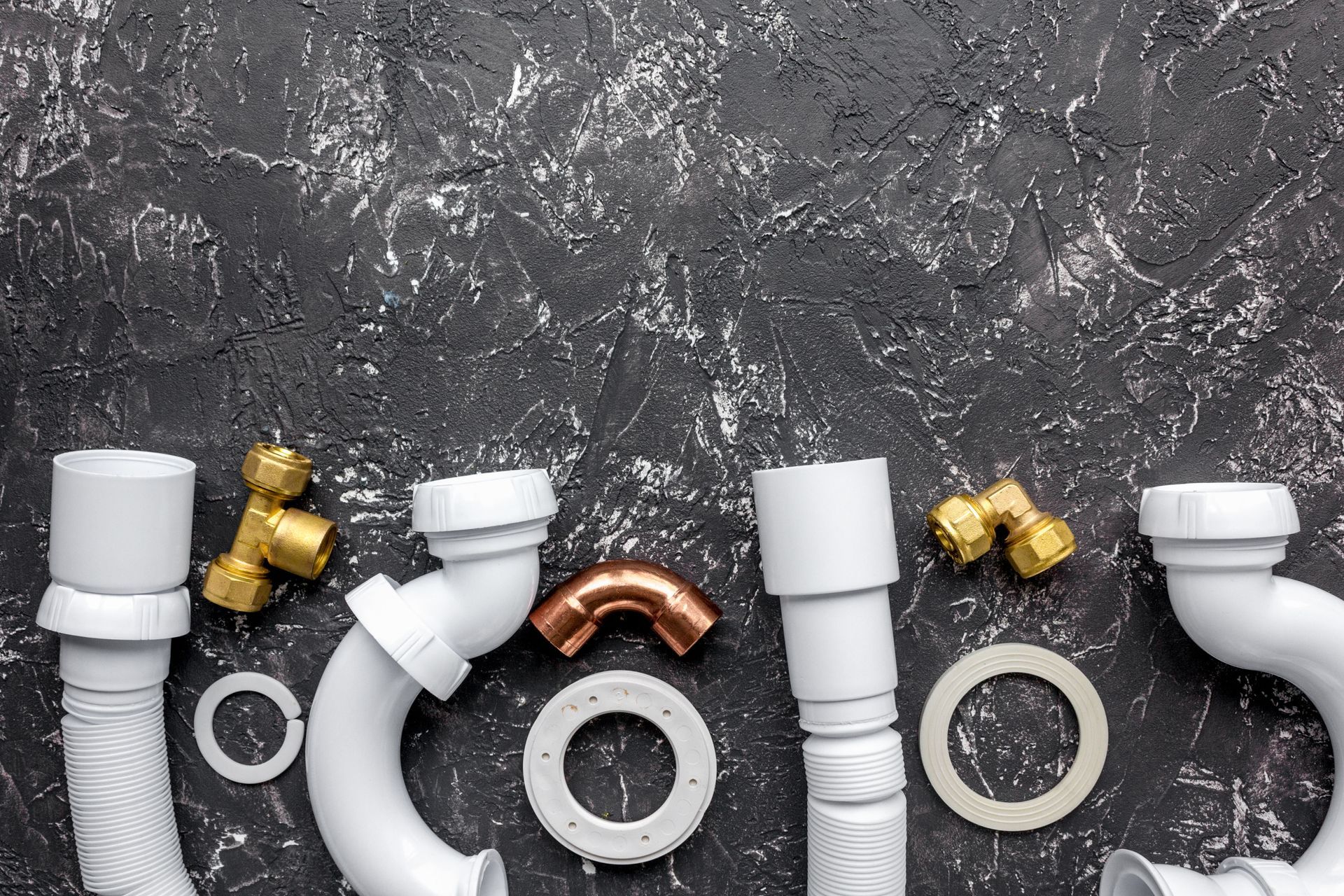
Material selection also affects safety. Stainless steel, carbon steel, brass, plastic, and specialty alloys respond differently to temperature, pressure, and chemical exposure. Choosing compatible materials, seals, and gaskets helps reduce corrosion, cracking, leaks, and premature failure.
Routine inspection remains necessary, but strong valve and pipe products create a dependable foundation. Components that meet system demands are less likely to fail unexpectedly, giving teams more control over maintenance and emergency planning.
Reducing Maintenance Demands
Maintenance costs can increase quickly when a system uses components that are difficult to service or unsuited to the application. Leaks, blockages, corrosion, and valve failures may require shutdowns, replacement parts, and additional labor. Well-selected valve and pipe products can reduce these demands by improving durability and making routine service more manageable.
Standardized components simplify inventory and replacement planning. Consistent sizes, connection types, and materials can reduce repair delays. Clear labeling and accessible valve placement also help teams identify and isolate problem areas faster.
According to Industrial Automation Asia (IAA), the global control valve market is expected to grow at a 5.4% CAGR by volume over the forecast period, with global sales projected to exceed USD 15.5 billion by the end of 2026. This projected growth reflects the continuing importance of effective flow control in modern industrial systems. As facilities automate more processes, dependable valves and related products become increasingly valuable.
Maintenance needs can also be reduced through proper installation. Misaligned pipes, overtightened fittings, and incorrect valve orientation can create stress that shortens component life. Professional planning helps prevent these issues and supports reliable performance from the start.
Supporting Material Compatibility
Every system handles materials with specific physical and chemical properties. Some fluids are abrasive, some are corrosive, and others become difficult to control at high temperatures or pressures. Valve and pipe products must be selected with these conditions in mind to prevent degradation and maintain system integrity.
Compatibility involves more than the main pipe material. Seats, seals, liners, coatings, and fasteners must also withstand the operating environment. A metal valve body may remain structurally sound while an incompatible seal deteriorates, causing leakage or loss of control. Reviewing the complete assembly helps avoid hidden weaknesses.
Temperature ratings are especially important because materials expand, contract, and change strength. Components used in steam systems, refrigeration lines, or outdoor environments must tolerate those changes. Pressure ratings must also account for operating levels and temporary surges.
Careful compatibility planning supports reliable performance and lowers contamination risks. In food processing, water treatment, pharmaceutical production, and other sensitive applications, the wrong material can affect product purity or regulatory compliance. Selecting valve and pipe products that match the process helps protect both the system and the materials moving through it.
Extending Equipment Service Life
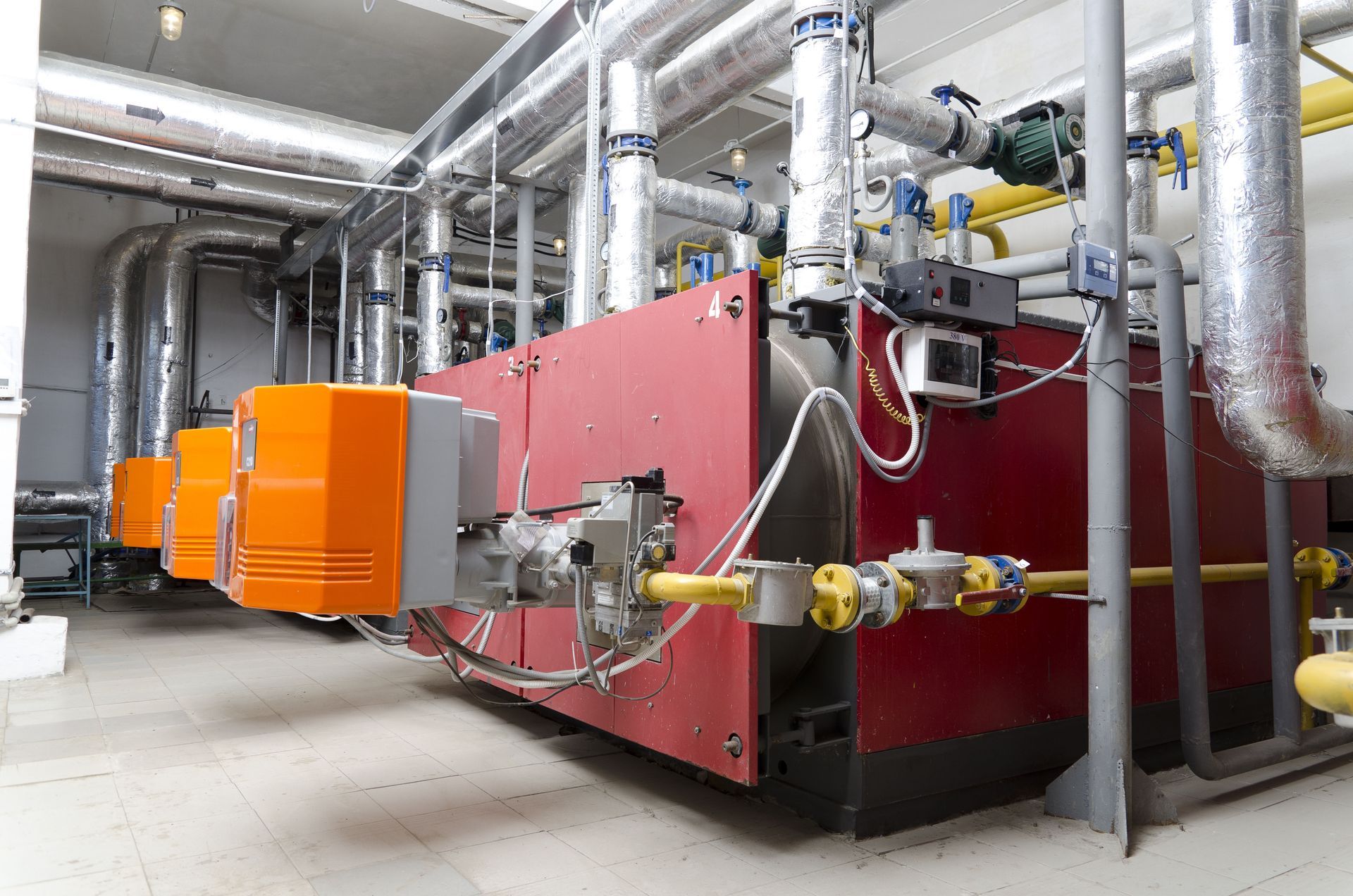
Pumps, compressors, boilers, tanks, and other major equipment depend on stable flow conditions. When pressure fluctuates or materials move too quickly, these assets may experience extra vibration, heat, or mechanical stress. Valve and pipe products help manage these conditions, extending the service life of expensive equipment.
For example, check valves can protect pumps from reverse flow, while control valves regulate the amount of material entering a process. Strainers and related piping components can capture debris before it reaches sensitive machinery. Expansion joints may absorb movement caused by temperature changes, reducing stress on connections.
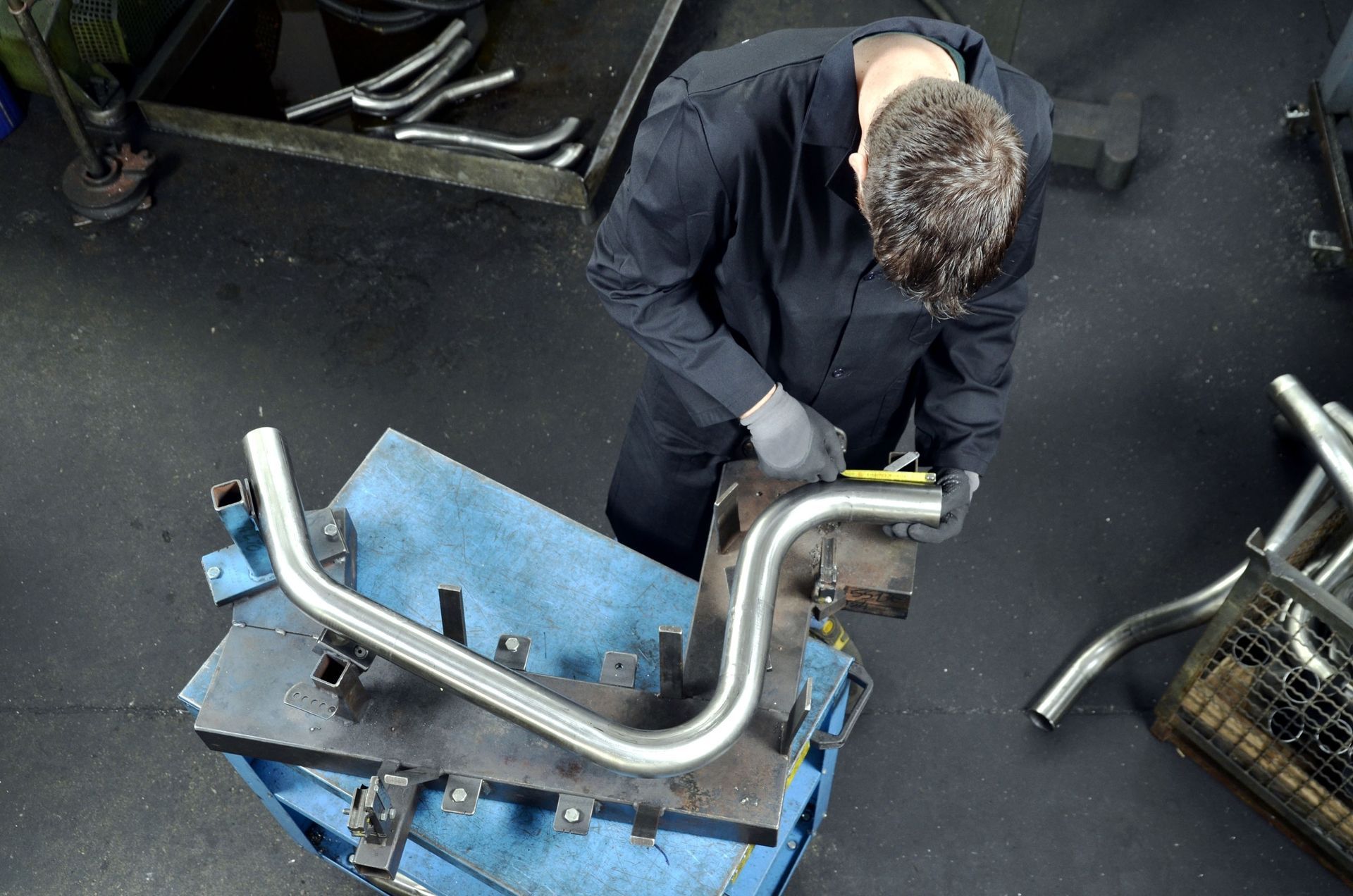
Proper pipe sizing also contributes to equipment protection. Pipes that are too narrow may increase velocity and pressure loss, forcing pumps to work harder. Oversized piping can create unnecessary costs and reduce control in some applications. A balanced design supports efficient movement without placing excessive strain on the system.
Consistent maintenance remains important, but durable components can reduce how often major equipment is exposed to damaging conditions. By controlling flow, pressure, and direction, valve and pipe products help create a more stable environment for the entire operation.
Planning for Long-Term Performance
Long-term reliability begins with a clear understanding of system requirements. Operating pressure, temperature, flow rate, material type, maintenance access, and regulatory standards should guide product selection. Choosing components based only on initial price can lead to higher costs if they require frequent replacement or cause repeated shutdowns.
Businesses should also consider future expansion. A system may need to handle greater capacity, new materials, or additional automation later. Selecting adaptable valve and pipe products can make upgrades easier and reduce the need for major redesigns. Components that support monitoring, remote control, or predictive maintenance may also provide useful planning data.
Supplier knowledge is valuable during this process. Product specialists can compare materials, connection styles, pressure classes, and control options while identifying compatibility issues before components are ordered. This guidance is especially useful for custom or demanding systems.
Documentation should remain part of the long-term strategy. Accurate records of product specifications, installation dates, maintenance history, and replacement schedules help teams make informed decisions. These records also support inspections, troubleshooting, and budgeting.
Reliable systems are built through many connected choices. When facilities invest in appropriate valve and pipe products, they improve control, safety, maintainability, and equipment protection. These advantages can reduce interruptions and support more consistent performance over time. Call Ross Controls Inc today to schedule your
valve and pipe products consultation.