March 12, 2026
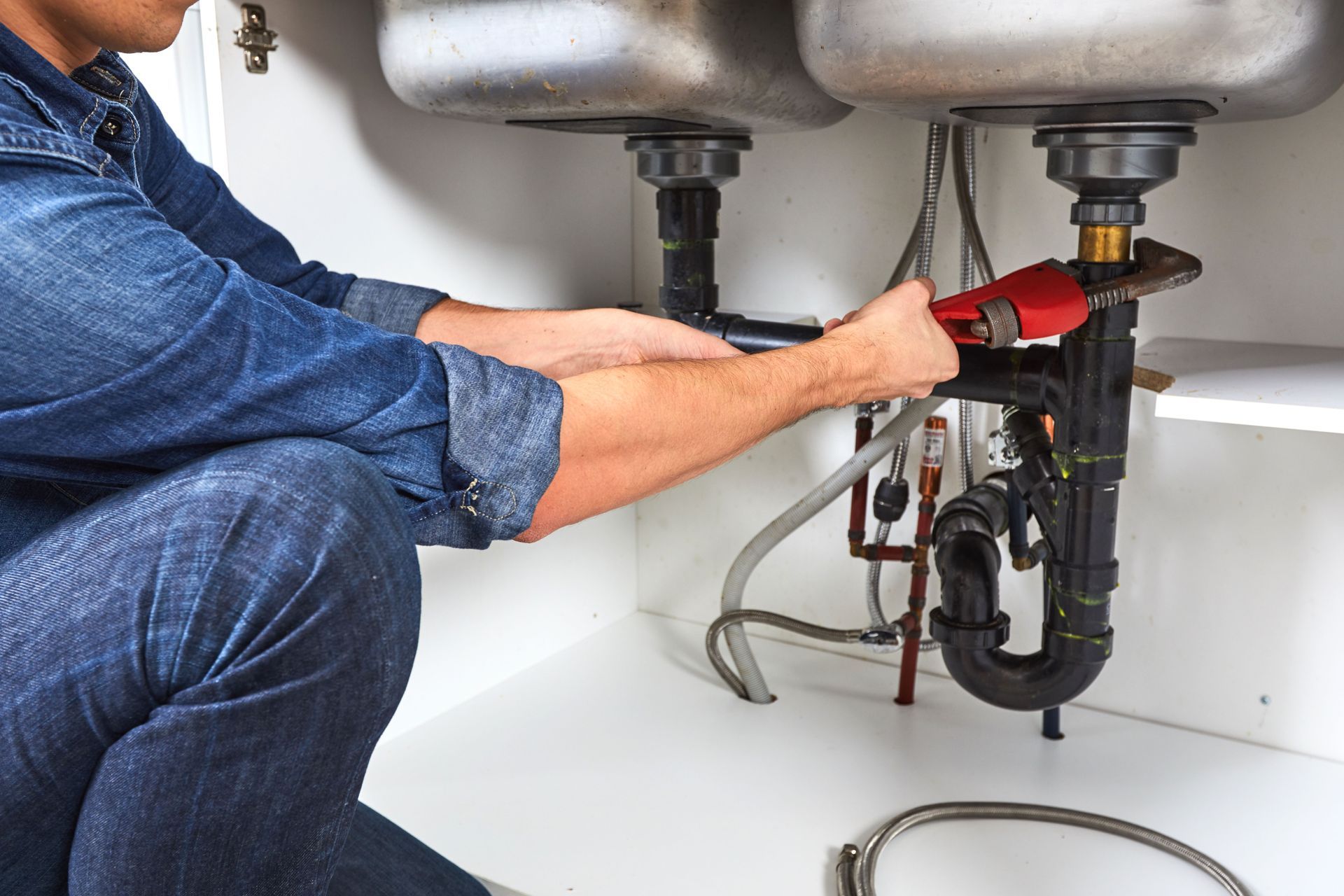
Choosing to upgrade the plumbing system in your home or business involves more than just browsing new pipe products. It requires the expertise of skilled professionals who understand the complexities of modern plumbing systems. Involving your local plumber is crucial for an optimal transition, ensuring that the product selection and installation process are handled efficiently and knowledgeably. Expert input can avoid costly mistakes, prolonged downtime, and ensure that the new system meets all technical and regulatory standards. This article aims to elucidate the many benefits of involving local plumbing experts in upgrading to new pipe products.
Understanding the Range of New Pipe Products
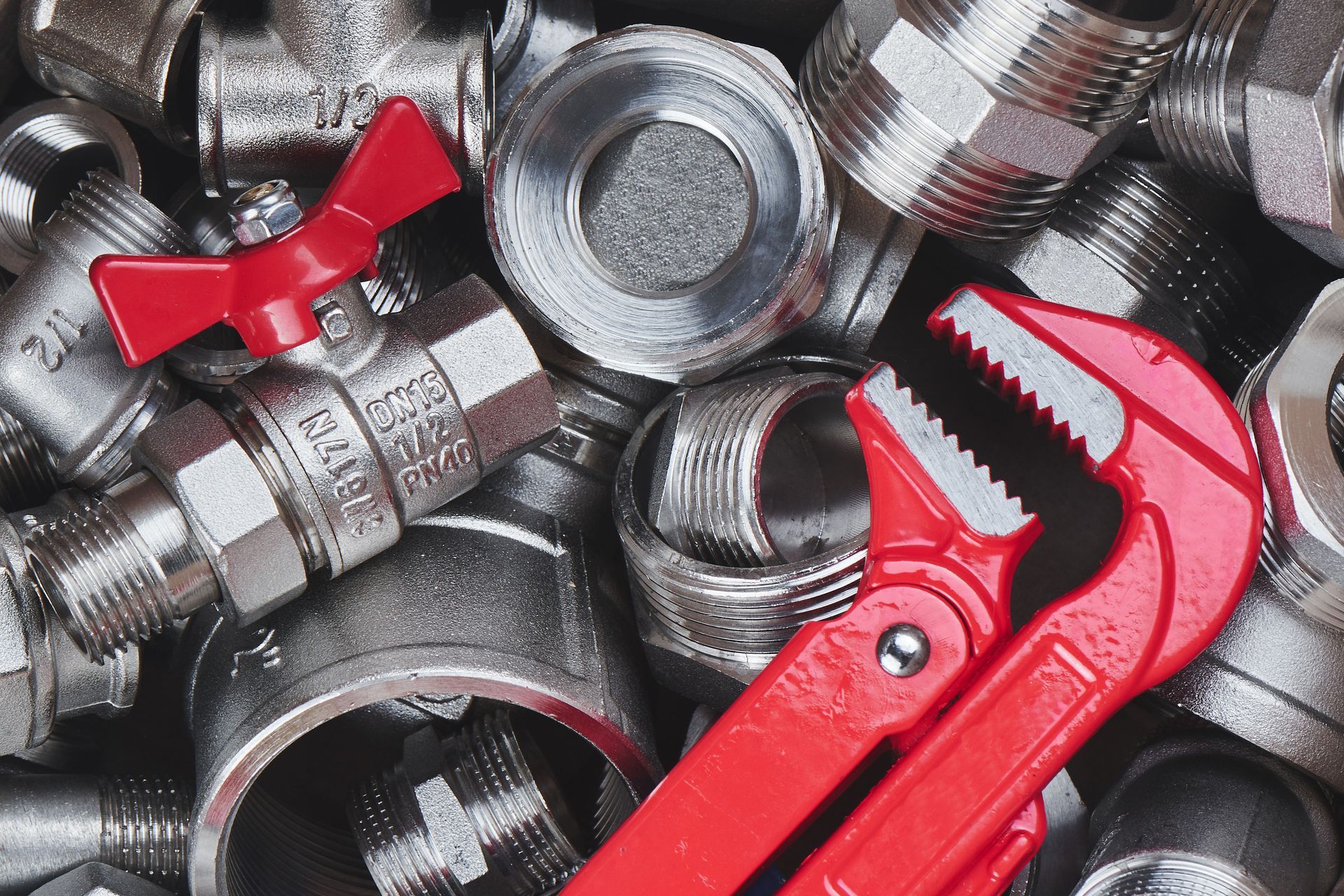
The plumbing industry has witnessed significant material innovations, each offering unique advantages. Cross-linked Polyethylene (PEX) pipes, for instance, are lauded for their flexibility and resistance to scale and chlorine, making them ideal for residential needs. Similarly, Chlorinated Polyvinyl Chloride (CPVC) pipes boast resistance to corrosion and thermal expansion, offering a reliable solution for both hot and cold water applications. Stainless steel pipe products, valued for their strength and longevity, resist extreme temperatures, while copper pipes are celebrated for their durability and bacterial-resistant properties. Modern plastic composite pipes combine various materials to enhance performance, providing customized solutions for different environments.
Understanding these materials is essential for making informed choices. PEX pipes stand out due to their ease of installation, which significantly reduces labor costs. CPVC's thermal insulating properties prove beneficial for energy efficiency and controlling water temperature fluctuations. Stainless steel is an optimal choice for industrial applications due to its robustness against chemical exposures. Meanwhile, copper's aesthetic appeal and prolonged lifespan make it a homeowner's favorite. Lastly, plastic composites often boast lightweight yet robust characteristics, allowing for versatile installations without compromising quality.
However, choosing the right material requires more than just understanding its benefits; considerations must also include the specific needs of the installation site. For households, using corrosion-resistant materials like copper and CPVC is essential to prevent long-term degradation. Whereas businesses may prioritize scalability and adaptability offered by stainless steel and PEX. The weight and cost-effectiveness of modern composites might align with larger projects. Ultimately, selecting the appropriate plumbing material is foundational to achieving long-term utility and satisfaction.
Upgrading the Effected Pipes
Upgrading to new pipe systems offers multifaceted benefits, extending beyond immediate improvements in functionality. Enhanced durability is an evident advantage, as modern materials withstand wear and tear better than older counterparts, which is crucial for minimizing leak potential. Leakages account for almost 10,000 gallons of wasted water per household annually, according to the EPA. Upgrading your pipes can address this inefficiency, ensuring water resources are conserved and bills are decreased. Additionally, the transition also promotes enhanced water flow, which is directly linked to improved water pressure in your system.
Furthermore, cost efficiency is a selling point for many modern pipe systems. By investing initially in high-quality materials and competent installation, the likelihood of frequent repairs diminishes considerably. Environmentally, modern pipes also take precedence due to their sustainable production processes, lightweight nature, reduced transportation energy, and longer service life, reducing waste. Such systems further contribute to the green movement by ensuring homes and businesses utilize eco-friendly alternatives rather than perpetuating wastefulness. By undergoing this transformation, a property not only conserves energy but gains a competitive environmental edge.
Finally, the reduction in maintenance needs should not go unnoticed. With newer pipe systems designed to resist environmental and chemical stressors, the frequency and cost of maintenance visits are drastically reduced. Investing in state-of-the-art plumbing translates into fewer stoppages and disruptions, thereby allowing homeowners and businesses to allocate resources elsewhere. In a world where infrastructure longevity and quality matter, embracing new pipe installations is a decision that aligns properties with future advancements while mitigating unforeseen repairs.
Evaluating Your Current Plumbing System
Before diving into new pipe solutions, it's paramount to assess the current state of your plumbing system. Identifying signs of wear and tear is the first step and includes visible pipe corrosion, discoloration, or damp areas suggestive of plumbing issues. Conducting a water pressure test offers insight into the internal state of your pipes; low pressure often hints towards blockages or leaks. Another vital element is analyzing water quality, which helps determine the potential for chemical reactions between water and plumbing materials. Addressing these foundational concerns prevents the risk of exacerbating issues by implementing incompatible upgrades.
Checking for leaks further aids in evaluating the need for upgrades. The EPA reports that household leaks waste massive amounts of water, underscoring the importance of a systematic evaluation to detect issues early. Leaks are not only wasteful but can also lead to significant structural damage and health risks if not addressed promptly. Additionally, reviewing the age of your current pipes helps in forecasting potential challenges. Older systems are typically more susceptible to failures, making them prime candidates for replacement with innovative, durable materials that accommodate contemporary water usage demands.
A comprehensive evaluation empowers homeowners and business operators with critical insight into the strengths and weaknesses of their existing plumbing setup. This groundwork ensures the adoption of new solutions is strategic and enhances overall infrastructure efficiency. By understanding the current system's condition, property owners can align new products with specific needs, ensuring long-lasting functionality. Effective evaluations also minimize the risk of unnecessary expenditures, creating a more streamlined and cost-effective upgrade journey.
Matching Pipe Products with Their Applications
When selecting new pipe products, aligning them with their intended applications is essential. Residential needs vary from commercial applications, demanding tailored solutions to ensure compatibility with varying household water pressures and demands. In residential settings, materials like PEX and CPVC are frequently used due to their insulating properties and ease of installation. Conversely, commercial applications might opt for stainless steel's robust framework, which can handle higher volumes and temperatures. Furthermore, industries may require specialized pipes to withstand unique conditions like chemical exposures or extreme mechanical stress.
Specifics also extend to regional considerations. In areas with hard water, which can accelerate pipe erosion and scale buildup, selecting materials that resist such conditions is crucial for longevity. Solutions that withstand high temperatures and thermal cycling must also be prioritized to prevent premature degradation. Moreover, industries with stringent health and safety regulations may necessitate materials that are certified for potable water applications, safeguarding against contamination. Having a comprehensive grasp of diverse applications ensures you adopt the best-suited products that align with both present and future needs.
Ultimately, understanding the required application ensures that your plumbing solutions maximize efficiency without compromising safety or quality. The collaborative involvement of knowledgeable plumbers in this selection process is beneficial, offering insights into local industry standards and compliance requirements. Additionally, professional guidance proves indispensable in navigating the vast landscape of plumbing products and matching them to your specific needs, guaranteeing satisfaction and optimal performance. By investing in the right solutions, property owners position themselves for sustained success and operational excellence across all plumbing applications.
Upgrading to new pipe products is a significant investment that demands thoughtful planning, thorough evaluation, and professional expertise. From understanding the advantages of modern materials to assessing the condition of your current system and matching products to specific applications, every step plays a critical role in achieving long-term performance and efficiency. By approaching the process strategically and relying on experienced plumbing professionals, property owners can avoid costly mistakes, improve water conservation, enhance durability, and reduce ongoing maintenance needs. Ultimately, a well-executed plumbing upgrade not only strengthens your infrastructure but also ensures reliability, sustainability, and peace of mind for years to come. If you are looking for a plumber or new pipe products in the Akron, OH area, contact Ross Controls Inc today.