February 13, 2026
Pipe and valve products are essential components in applications ranging from residential plumbing to large-scale industrial systems. Choosing the right valve products ensures efficiency, safety, and longevity of these systems. With the increasing complexity of modern infrastructure, it is more important than ever to understand the capabilities and limitations of different products. This article explores the key considerations in selecting, installing, and maintaining pipe and valve products, highlighting innovations, sustainability considerations, and real-world applications. Proper selection of valve products not only enhances system performance but also reduces long-term maintenance costs, providing both operational and financial benefits.
1. Understanding Different Types of Pipes
Materials and Their Properties
Pipes are available in materials such as copper, PVC, steel, and PEX, each offering unique benefits. According to Bob Vila, copper pipes last 50 to 70 years on average, while PEX pipes have an expected lifespan of 30 to 50 years. PVC is cost-effective and corrosion-resistant, and steel is suitable for high-pressure applications. Knowing these characteristics is vital in selecting the most appropriate pipe material for your project. Proper material choice ensures the system remains efficient and reliable over its operational lifespan.
Applications of Different Pipe Types
Copper pipes are ideal for hot and cold water systems, PVC pipes for drainage and irrigation, and steel pipes for industrial high-pressure systems. Matching the pipe type to its intended use ensures optimal performance and reliability. Additionally, selecting the right pipe material can improve energy efficiency, particularly in systems that transport heated or pressurized fluids.
Advantages, Disadvantages, and Cost Considerations
Copper pipes are durable and corrosion-resistant, but more expensive. PEX is affordable and easy to work with, but less heat-resistant. Steel is strong but can rust without proper maintenance. Evaluating these factors alongside budget constraints helps balance cost, performance, and long-term value. Considering the total cost of ownership, including maintenance and potential replacements, is key to effective project planning.
Environmental Impact of Pipe Materials
Sustainability considerations are increasingly important. Copper requires high energy to produce, PVC raises concerns due to chemical byproducts, and PEX offers a lighter, more energy-efficient alternative. Selecting environmentally conscious materials benefits both the project and the planet. Modern projects often prioritize products that minimize carbon footprint without compromising system reliability.
2. Exploring Various Valve Options
Types of Valves
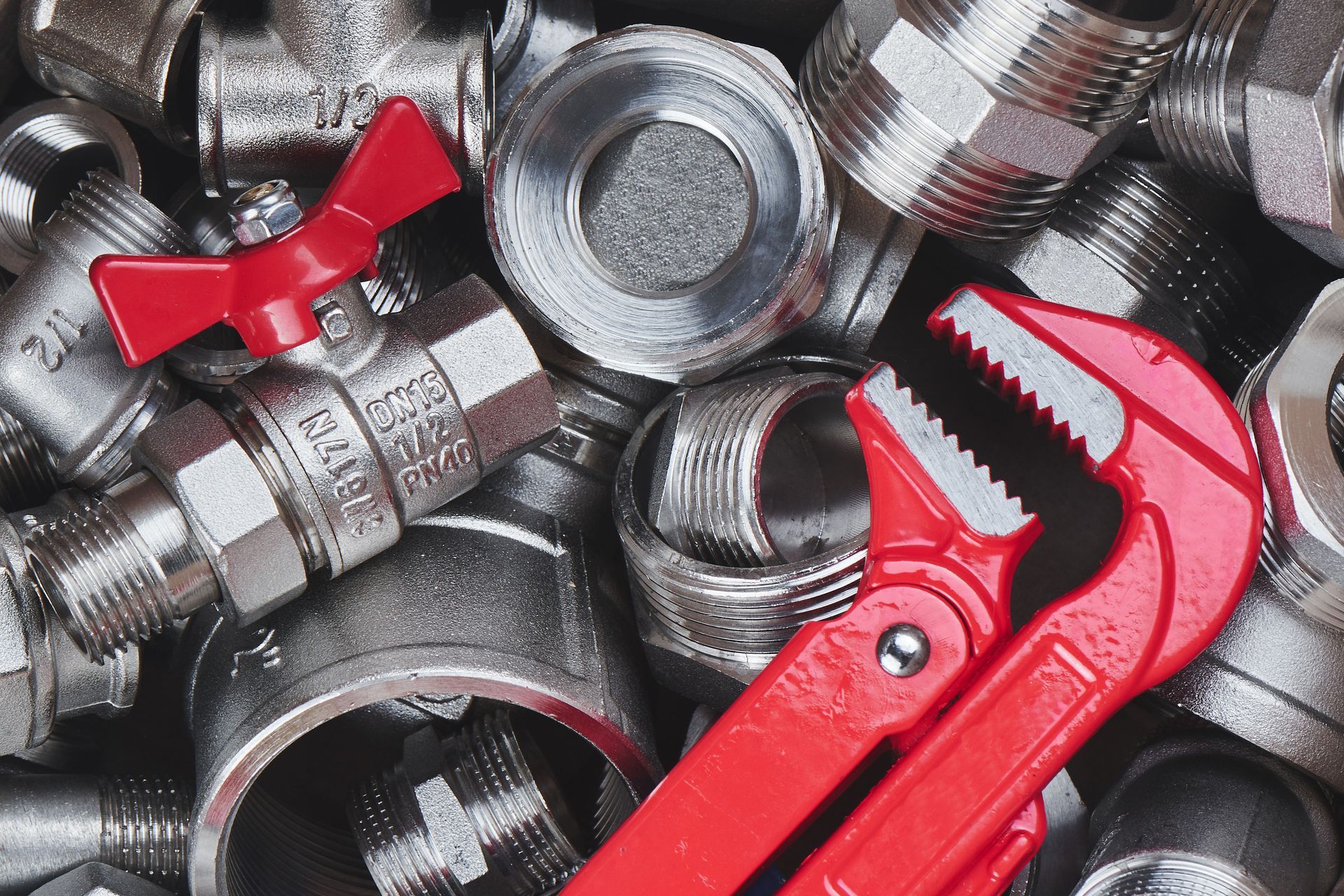
Valve products include gate valves for on-off control, ball valves for tight sealing, check valves to prevent backflow, globe valves for flow regulation, and butterfly valves for large diameters. Understanding these types helps in selecting the right valve for specific applications.
Functionality and Suitability
Gate valves suit straight-line flow with minimal pressure drop, while ball valves are ideal for quick shut-off and high-pressure applications. Selecting valves that meet functional requirements ensures efficient system performance. Choosing the correct valve products for each system prevents potential failures and reduces maintenance interruptions.
Key Features and Materials
Durability, material choice, and operational method (manual, pneumatic, or electric) influence valve performance. Common materials include brass for the balance of cost and durability, stainless steel for corrosion resistance, and PVC for lightweight applications. Evaluating these factors helps in choosing the most suitable valve products. Advanced valve designs also offer improved sealing and reduced wear, enhancing overall system efficiency.
Common Valve Issues and Solutions
Leaks from worn seals, sticking due to sediment, and corrosion are common valve problems. Regular maintenance, proper installation, and the use of high-quality valve products mitigate these issues and extend system longevity. Implementing predictive maintenance, especially in industrial systems, further reduces downtime and improves reliability.
3. Criteria for Selecting the Right Pipe and Valve Products
Assessing Project Requirements
Start by analyzing fluid type, pressure, temperature, and flow rate to determine the necessary specifications for pipes and valve products. Accurate assessment ensures safety, compliance, and optimal system performance. Careful planning at this stage prevents future operational problems and unnecessary expenditures.
Evaluating Quality and Standards
Quality impacts reliability and safety. Check for industry certifications, such as ISO or ASTM compliance, and inspect design features. High-quality valve products reduce risks and maintain system integrity. Vendors with proven track records provide additional confidence in product performance.
Cost vs. Performance Analysis
Balancing upfront cost with long-term performance is critical. Low-cost products may require frequent replacements, while high-quality valve products often provide longer lifespan and reduced maintenance expenses, offering better total value. Decision-makers should consider both short-term budget constraints and long-term operational efficiency.
Compatibility with Existing Systems
Ensure new pipes and valve products match existing system specifications, including size, connection type, and pressure ratings. Proper compatibility prevents operational inefficiencies and costly repairs. Integration with current systems should be seamless to avoid delays or performance issues.
Long-Term Reliability and Maintenance
Choose products that withstand operational stresses, resist corrosion, and are easy to maintain. Regular inspections and proven performance records contribute to long-term reliability. Investing in high-quality valve products reduces the risk of emergency repairs and prolongs the system's life.
4. Installation and Maintenance Best Practices
Preparing for Installation
Verify component compatibility, project specifications, and necessary tools before starting. Proper storage and handling of valve products prevent damage and ensure system integrity. Pre-installation checks reduce errors and streamline the installation process.
Installation Techniques
Follow manufacturer guidelines and industry best practices. Correct installation prevents leaks, pressure drops, and mechanical failures, ensuring the longevity of pipes and valve products. Skilled personnel are essential for precise and safe installation.
Maintenance Strategies
Routine inspections identify wear, corrosion, or misalignment. Preventive maintenance minimizes emergency repairs and keeps systems running efficiently. Leveraging smart monitoring systems enhances the effectiveness of maintenance programs.
Troubleshooting Common Issues
Address leaks, pressure loss, or valve malfunctions with systematic troubleshooting. Quick diagnosis and corrective actions minimize downtime and maintain system performance. Maintaining documentation of common issues also aids future problem-solving.
Importance of Regular Inspections
Inspections allow early detection of corrosion, leaks, or inefficiencies. Regular inspections help extend the life of pipe and valve systems while reducing operational risks. Well-planned inspection routines improve safety and system reliability.
5. Innovations in Pipe and Valve Technology
Smart Technology Integration
IoT-enabled valves enable real-time monitoring, predictive maintenance, and automated alerts, improving efficiency and reducing downtime. Smart valve products transform traditional systems into data-driven infrastructures. These innovations also enable operators to optimize energy usage and reduce operational costs.
Advances in Material Science
New composites and environmentally-friendly materials enhance strength, corrosion resistance, and sustainability. These innovations extend product life while minimizing environmental impact. Materials development also supports the creation of more compact, lightweight, and durable valve products for diverse applications.
Automation in Valve Operations
Automated valves allow remote control and real-time adjustments, enhancing operational efficiency and worker safety. Increased automation ensures optimized flow and resource management, reducing human error in complex systems.
Sustainable and Eco-Friendly Options
Recyclable and biodegradable materials, along with low-energy manufacturing processes, align valve products with eco-conscious initiatives, reducing environmental footprints. These sustainable solutions meet both regulatory requirements and market demand for greener technologies.
Choosing the right pipe and valve products is essential for system efficiency, safety, and sustainability. By considering material properties, valve types, installation practices, and technological innovations, decision-makers can ensure optimal performance and value. Informed selection of valve products enhances system reliability and supports long-term operational success in residential, commercial, and industrial applications. For more information on choosing the right valve products for your project, contact Ross Controls Inc today.