October 14, 2026
Fluid management is a cornerstone of modern industrial operations, requiring precise engineering to ensure smooth and uninterrupted processes. At the heart of these complex systems are specialized components designed to regulate, direct, and control the flow of liquids and gases. When exploring the foundational elements of fluid dynamics, understanding how these mechanisms operate becomes essential for maintaining efficiency and safety. The design process for these devices involves a careful balance of physics, material science, and mechanical engineering to create solutions that can withstand immense pressure and demanding environments. From basic household needs to massive petrochemical plants, the reliance on carefully engineered control devices is universal. By taking a closer look at the inner workings of industrial flow regulators, we can better appreciate the meticulous craftsmanship and technical expertise required to keep our modern infrastructure running smoothly. A deep dive into the architecture of valves reveals a fascinating world of mechanical precision.
Understanding Flow Control Mechanisms
The fundamental purpose of any flow regulation device is to manipulate the passage of fluids through a system. This manipulation can take several forms, including starting or stopping the flow, adjusting the volume, or redirecting the fluid to a different pathway. The structural design of these components varies significantly based on their intended function. For instance, some designs feature a gate-like mechanism that slides across the path of the fluid, providing a tight seal when closed and minimal resistance when fully open. Other configurations utilize a disc that pivots on a central axis, offering a streamlined profile that is ideal for large-scale applications where space is limited and quick operation is necessary. The meticulous engineering behind these configurations ensures that they can handle specific types of media, from thick slurries to volatile gases, without compromising the integrity of the system. Engineers spend countless hours simulating flow patterns to minimize turbulence and pressure drops, which can lead to inefficiencies and increased wear over time. The careful consideration of these fluid dynamics is what makes the design of valves a highly specialized field within mechanical engineering. Each component must be precisely crafted to perform its specific duty flawlessly under varying operational conditions.
Exploring Component Materials and Durability
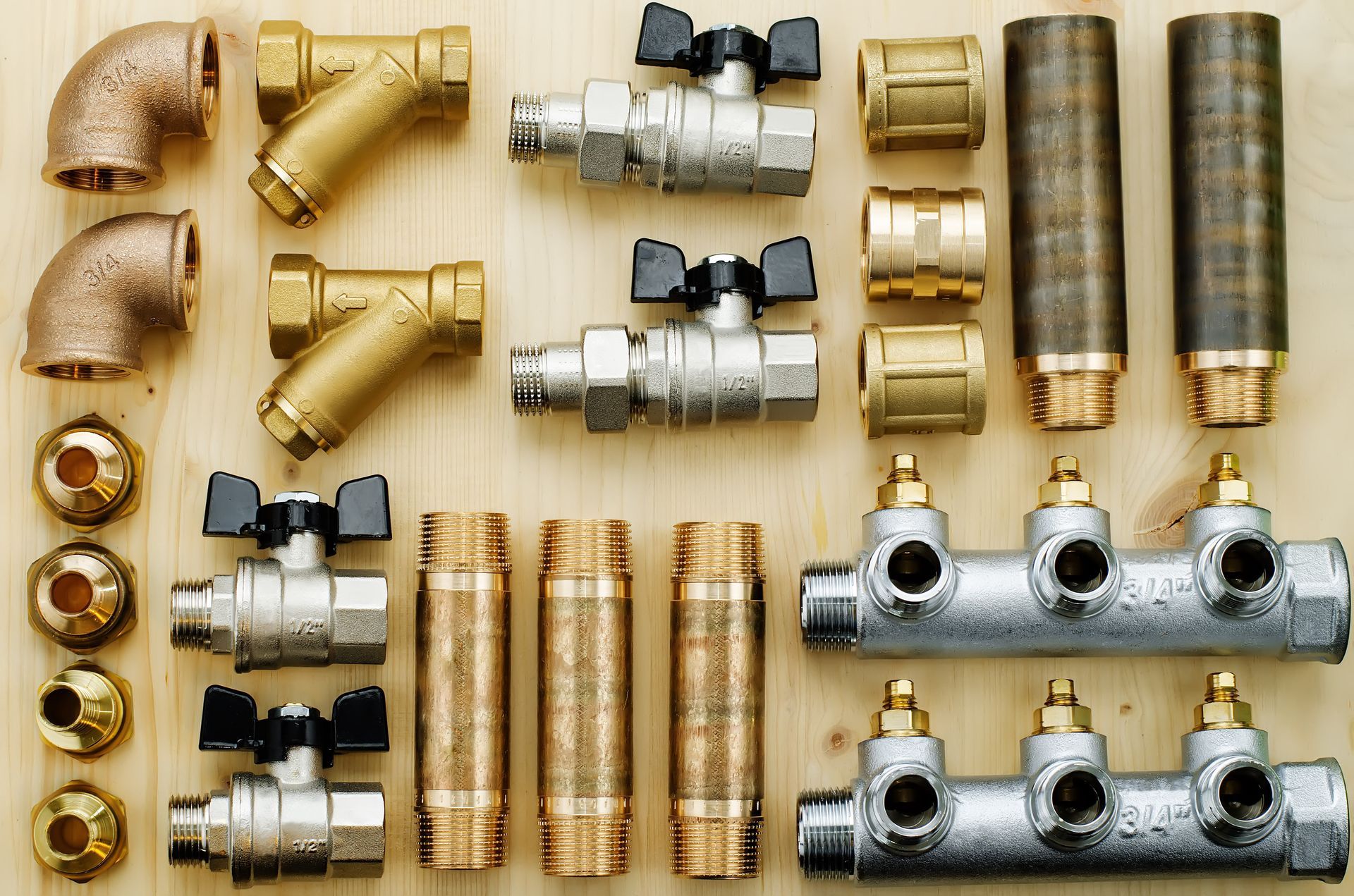
The materials chosen for the construction of flow regulation devices are just as important as their mechanical design. The environments in which these components operate can be incredibly harsh, exposing them to extreme temperatures, corrosive chemicals, and continuous friction. To combat these challenges, manufacturers rely on a diverse array of robust materials. Stainless steel and bronze are frequently selected for their excellent resistance to rust and general wear, making them suitable for a wide range of standard applications. For more demanding environments, specialized alloys and advanced polymers are utilized to provide enhanced protection against aggressive chemical reactions and thermal degradation. The internal seals and gaskets also require careful material selection, as they must maintain a watertight barrier under immense pressure while resisting degradation from the media they encounter. The longevity and reliability of a system are directly tied to the durability of its individual parts. By continuously innovating and testing new material compositions, designers can create solutions that offer extended service lives and reduced maintenance requirements. The careful selection of materials ensures that valves can endure the rigors of industrial operations without failing prematurely, thereby safeguarding the entire system against unexpected and costly downtime.
Examining the Mechanics of Fluid Direction
Directing the path of a fluid with precision requires mechanisms that are both robust and highly responsive. One common approach involves a spherical element with a hollow core that rotates to either permit or block the flow. This rotational movement is highly effective for applications requiring a quick and definitive shutoff. According to SLB, the most common ball valve design is two-way, which enables flow to travel linearly from the inlet to the exit. This straight-through configuration minimizes resistance and reduces the likelihood of blockages, making it highly efficient for a variety of media types. The internal geometry of the housing must perfectly accommodate the moving components to prevent any unwanted leakage or pressure loss. Furthermore, the actuators that control these mechanisms can be manual, electric, or pneumatic, adding another layer of complexity to the overall design. The integration of advanced actuation technology allows for remote operation and precise adjustments, which are crucial for automated industrial processes. The continuous refinement of these mechanical interactions ensures that valves provide reliable and repeatable performance, even after countless operational cycles in demanding environments. This mechanical reliability is the bedrock of safe and efficient fluid management.
Highlighting Innovative Production Techniques
The manufacturing processes used to create these complex mechanical devices have evolved significantly over time. Traditional casting and forging methods remain essential for producing large, heavy-duty components that require immense structural integrity. However, modern advancements have introduced new levels of precision and customization to the production floor. Computer numerical control machining is extensively utilized to carve out intricate internal pathways and ensure that moving parts fit together with exact tolerances. This high level of precision is vital for minimizing internal friction and ensuring a tight, reliable seal. Additionally, the rise of additive manufacturing has opened up new possibilities for creating highly customized geometries that were previously impossible to achieve. This technology allows engineers to rapidly prototype and test new concepts, accelerating the pace of innovation in the field. Quality control is another critical aspect of the production process, involving rigorous pressure testing and material analysis to verify that each unit meets strict industry standards. The combination of advanced manufacturing techniques and stringent quality assurance protocols guarantees that modern valves deliver unparalleled safety and performance. These production innovations are driving the industry forward, resulting in more resilient and capable flow control solutions.
Adapting to Modern Industry Requirements
As industrial processes become more complex and demanding, the devices used to control them must also adapt and improve. Today's manufacturing facilities, chemical plants, and energy production sites require flow management systems that offer unprecedented levels of precision and reliability. This has led to the integration of smart technologies into mechanical designs, allowing for real-time monitoring and automated adjustments. Sensors embedded within the housing can track pressure, temperature, and flow rates, transmitting this data to central control systems for continuous analysis. This connectivity enables predictive maintenance, allowing operators to identify potential issues before they lead to catastrophic failures. Furthermore, environmental regulations are driving the development of designs that minimize fugitive emissions and ensure tighter, more reliable seals over extended periods. The challenge for modern engineers is to balance these technological advancements with the fundamental need for robust mechanical reliability. By pushing the boundaries of what is possible with intelligent design and automated feedback loops, the next generation of valves will be more responsive and resilient than ever before. This ongoing adaptation is crucial for meeting the stringent safety and efficiency standards of contemporary industrial operations.
The intricate design and meticulous manufacturing of flow control components are fundamental to the success of nearly every industrial application. From the careful selection of durable materials to the precise engineering of internal pathways, every aspect of the design process plays a vital role in ensuring system integrity. Understanding the mechanics behind these devices highlights the incredible technical expertise required to manage fluid dynamics safely and efficiently. As technology continues to advance, the capabilities of these essential components will only expand, offering greater precision and longevity for complex operations. Relying on high-quality valves is the best way to safeguard your infrastructure and maintain optimal operational efficiency. If you are looking to upgrade your current flow management systems with dependable and expertly engineered solutions, reach out to Ross Controls Inc today to learn more.